

Space-Based Computing
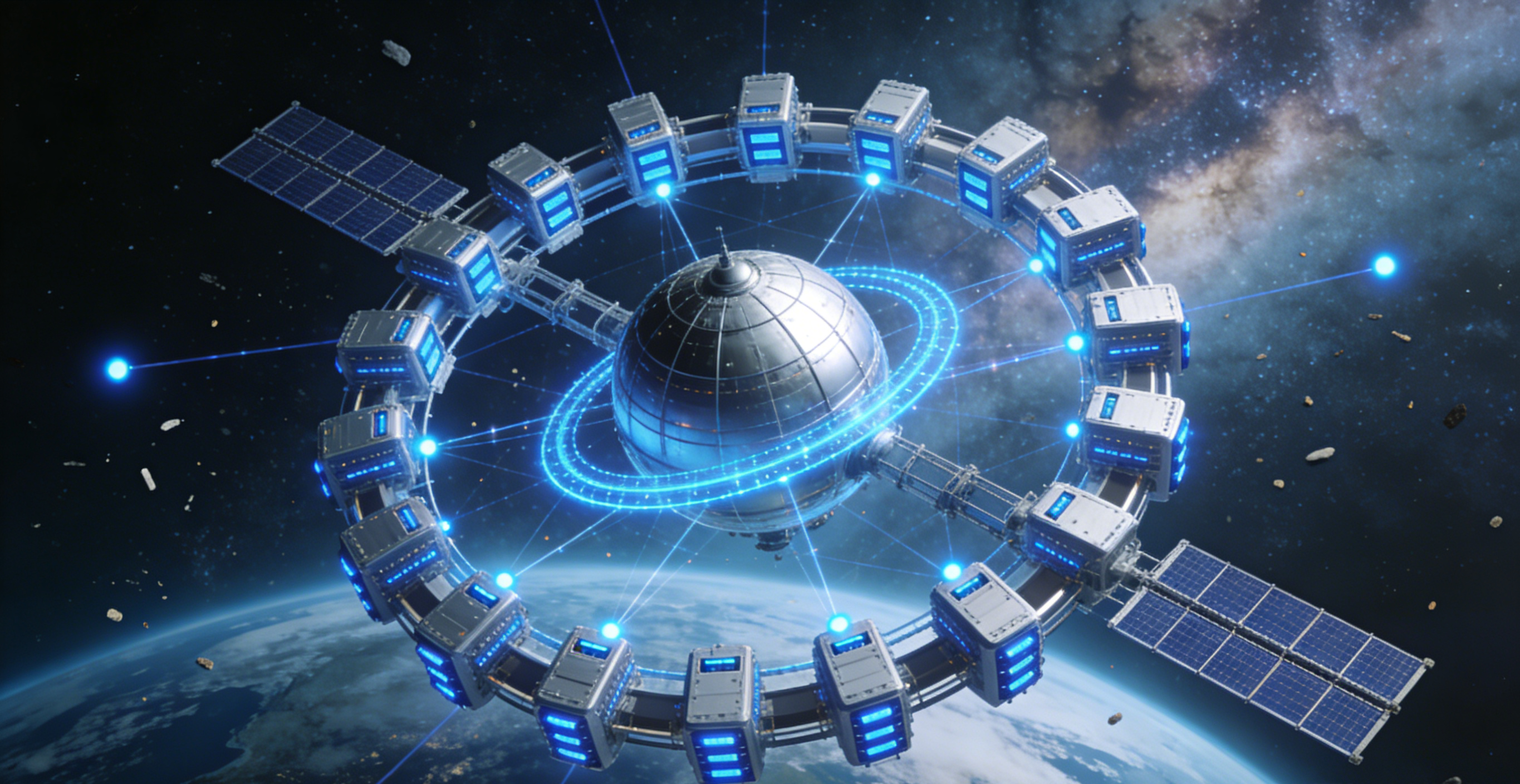
"Space-based computing" is an emerging frontier concept that involves deploying computing servers (data centers) in Earth's orbit, on the Moon, or in other space environments to perform large-scale data processing and computation by leveraging the unique conditions of space. This is not merely about "moving computers into space" but aims to establish an entirely new computing infrastructure.
Why Compute in Space?
The space environment offers unparalleled advantages for computation that are difficult to achieve on Earth:
Extreme Cooling Efficiency: Space is a near-vacuum and extremely cold (about 3K), providing an ideal natural cooling environment for chips and data centers. This has the potential to completely solve the biggest energy consumption and heat dissipation bottlenecks faced by terrestrial data centers.
Unique Observational Perspective: For data-intensive computations like astronomical observation and Earth remote sensing, deploying computing units next to the sensors (telescopes, cameras) enables "on-orbit real-time processing." This eliminates the need to transmit massive amounts of raw data back to Earth, greatly saving bandwidth and time.
Building a Global Low-Latency Network: Combined with large-scale satellite constellations (like Starlink), a distributed computing network can be built in Low Earth Orbit to provide low-latency edge computing services to any location globally. This is highly significant for applications like autonomous driving, financial trading, and the metaverse.
Current Progress and Challenges
Currently, space-based computing is still in the "proof-of-concept" and early technology testing phase:
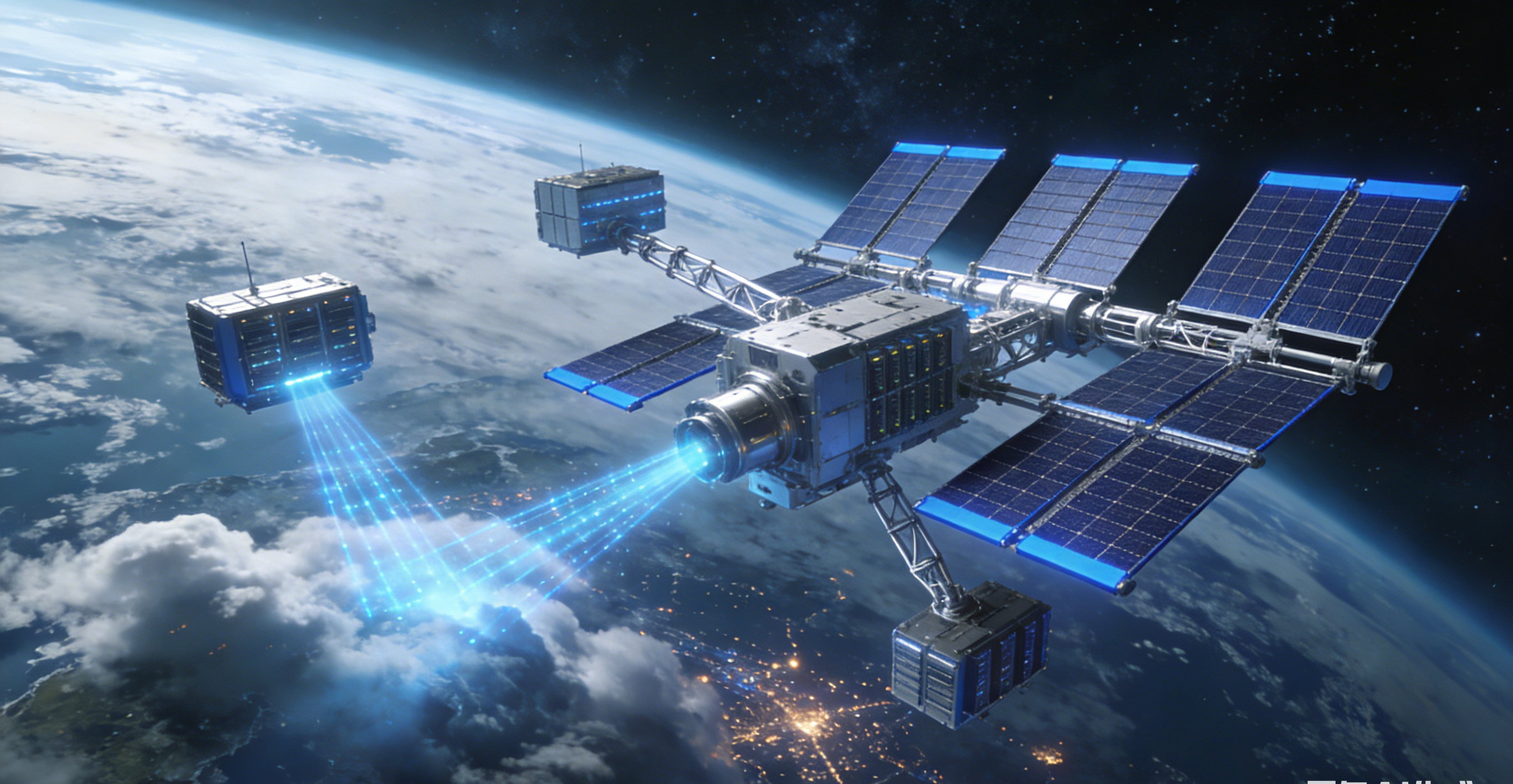
Technical Validation: Companies like Axiom Space plan to send commercial computing modules to the International Space Station for testing. Agencies such as NASA and ESA(European Space Agency) have also initiated related research.
Major Challenges:
1. Cost: The expense of launching heavy equipment into orbit is extremely high.
2. Reliability: Space presents challenges like strong radiation, extreme temperature variations, and micrometeoroid threats. Hardware must be designed with exceptional radiation resistance and redundancy.
3. Energy: It relies on large solar panels, but power availability remains constrained.
4. Data Transmission: Maintaining a high-speed, stable data link with the ground is a significant challenge.
Future Outlook and Competitive Landscape
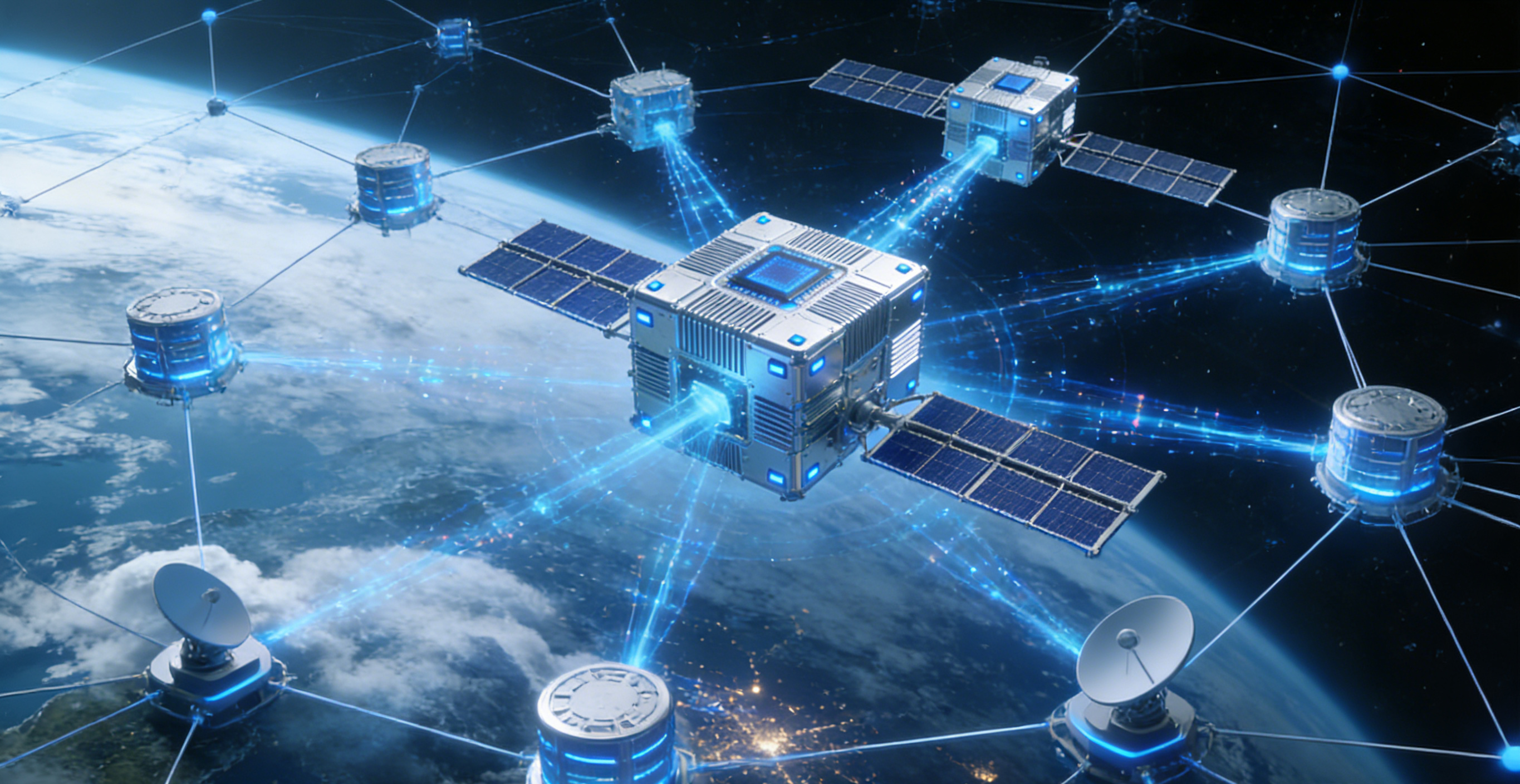
Space-based computing is the next blue ocean in the "New Space" race. It is not only a strategic direction for space powers like China, the US, and Europe but also part of the long-term vision for commercial aerospace giants like SpaceX and Amazon (Project Kuiper). Its vision is to ultimately integrate into the "space economy," providing core infrastructure for lunar bases, deep space exploration, and future space manufacturing and scientific research.
In summary, space-based computing is not science fiction but a critical step in addressing Earth's computational bottlenecks and exploiting space resources. While facing immense challenges, it has progressed from concept to initial practice and stands as one of the most cutting-edge fields for the convergence of aerospace and information technology in the coming decade.


